
 Brian Chandler
Hemorrhoid Pain Relief After Surgery: Techniques for Faster Patient Comfort

Understanding Post-Surgical Hemorrhoid PainWhy Pain Occurs After Hemorrhoid ProceduresPost-operative discomfort is a common concern following hemorrhoid surgery, largely due to the sensitive nature of the anal canal. The anoderm contains a high concentration of nerve endings, making even minor trauma noticeable. Inflammation and swelling following surgery can intensify this discomfort, especially when combined with internal […]
Continue readingRecurrent Anal Condylomas Treatment: When to Consider Laser Therapy

Understanding Recurrent Anal CondylomasWhat Are Anal Condylomas?Anal condylomas, commonly referred to as anal warts, are caused by the human papillomavirus (HPV), most often subtypes 6 and 11. These lesions can appear externally around the anus or internally within the anal canal, often presenting as soft, raised, cauliflower-like growths.Why Do Condylomas Recur?Recurrent disease is one of […]
Continue readingMinimally Invasive Laser Treatment for Perianal Condylomas

Understanding Perianal CondylomasPerianal condylomas are benign epithelial proliferations caused primarily by low-risk human papillomavirus (HPV), most commonly types 6 and 11. Although histologically benign, these lesions can be locally aggressive, recurrent, and psychologically distressing for patients.Clinically, condylomas often appear as exophytic, cauliflower-like lesions around the anal verge. Intra-anal disease may present as flat plaques only […]
Continue readingPerianal Condyloma Removal with Laser: A Precision-Based Approach

Understanding Perianal Condyloma in Clinical PracticePerianal condyloma, commonly caused by low-risk human papillomavirus (HPV) subtypes 6 and 11, presents a frequent and sometimes frustrating challenge in colorectal practice. These exophytic lesions can range from small, isolated growths to extensive plaques involving perianal skin and extending intra-anally.Patients often report pruritus, irritation, minor bleeding during hygiene, or […]
Continue readingBest Practices for Anoscope Sterilization: Protecting Patients and Extending Instrument Life

Anoscope sterilization is a critical component of infection prevention in colorectal care. Because anoscopes are used in direct contact with the anal canal and rectal mucosa, improper reprocessing can increase the risk of cross-contamination and healthcare-associated infections.Following best practices for anoscope sterilization protects patients while also helping practices extend the usable life of their instruments.Introduction […]
Continue readingColorectal Examination Tools: Modern Innovations for Practitioners

Colorectal examinations are a cornerstone of gastrointestinal and colorectal care. From routine screenings to targeted diagnostic evaluations, the quality of colorectal examination tools plays a direct role in clinical accuracy, workflow efficiency, and patient comfort.As technology and material science continue to advance, modern tools are reshaping how practitioners approach colorectal exams while improving outcomes for […]
Continue readingAnal Dilator Therapy: When and How to Use Them Safely
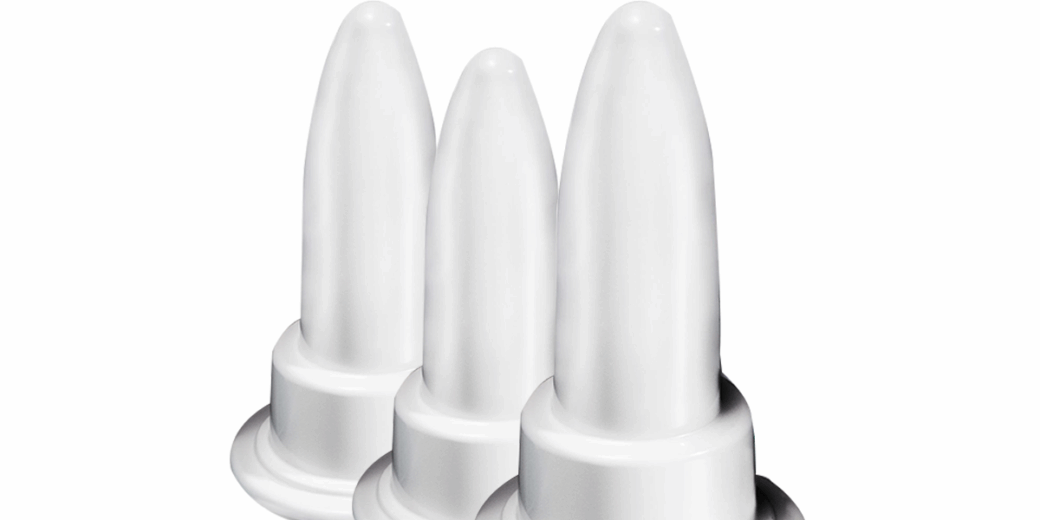
Anal dilator therapy is a well-established, conservative treatment used in colorectal care to address pain, sphincter dysfunction, and narrowing of the anal canal. When used correctly and under appropriate guidance, anal dilator therapy can significantly improve patient comfort and functional outcomes while reducing the need for more invasive interventions.What Is Anal Dilator TherapyAnal dilator therapy […]
Continue readingAnal Fissure Recovery Time: What Patients Should Expect After Treatment

Anal fissures are a common and often painful anorectal condition. One of the first questions patients and clinicians alike ask is how long recovery will take.Anal fissure recovery time can vary widely depending on the type of fissure, the treatment approach, and how well contributing factors are managed. Understanding what to expect at each stage […]
Continue readingHemorrhoid Surgery Without Stitches: How Laser Technology Is Changing the Standard
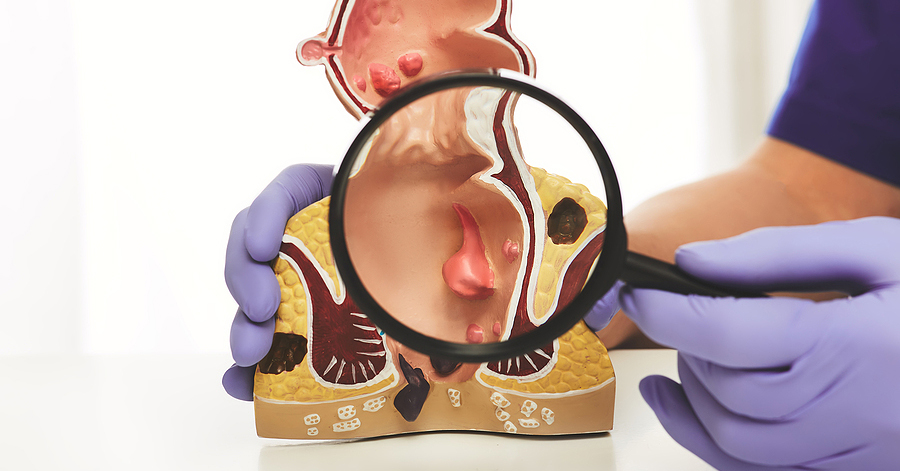
Introduction to Laser-Based Hemorrhoid SurgeryWhy Minimally Invasive Options Are GrowingInterest in minimally invasive techniques continues to rise as both patients and colorectal surgeons look for solutions with less pain, lower infection risk, and faster recovery. Laser platforms designed specifically for anorectal surgery have become more accessible, leading to broader adoption of procedures that avoid cutting […]
Continue readingPilonidal Sinus Drainage vs Surgery: Understanding Treatment Options

Introduction to Pilonidal DiseaseWhat Is a Pilonidal Sinus?A pilonidal sinus is a chronic inflammatory condition that forms near the natal cleft, typically caused by hair penetrating the skin and triggering a foreign-body reaction. When infection develops, abscesses or draining pits can form. This condition is commonly seen in young adults, patients with coarse body hair, […]
Continue reading