
CO2 Laser Condyloma Treatment: Advantages Over Traditional Excision
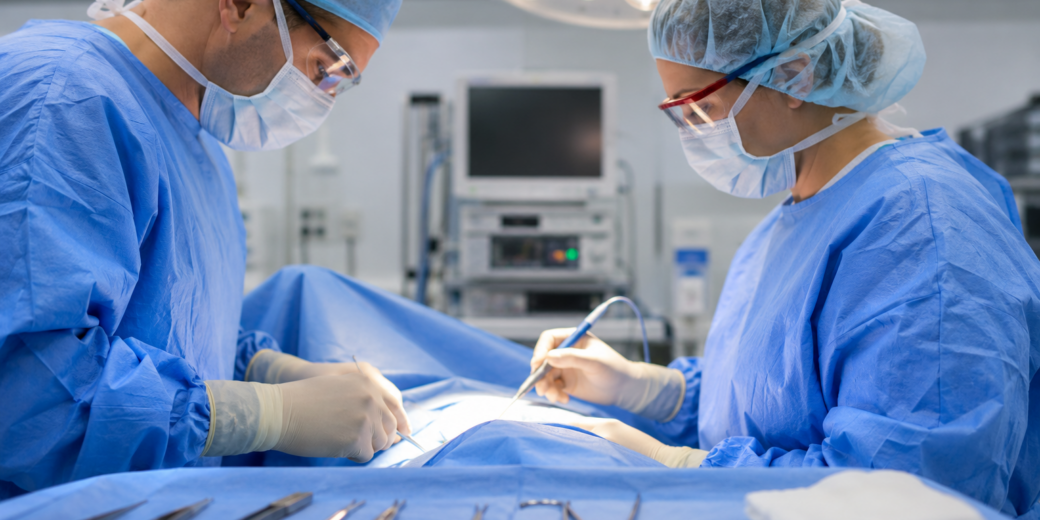
Anal and perianal condylomas can present a difficult treatment challenge for colorectal surgeons. Lesions may be isolated and superficial, but they can also be multifocal, circumferential, recurrent, or extend into the anal canal. Treatment must remove visible disease while preserving the sensitive anoderm and minimizing unnecessary tissue injury.
For appropriately selected patients, CO2 laser condyloma treatment provides an alternative to conventional scalpel or scissor excision. The technology gives surgeons precise control over tissue ablation while simultaneously providing hemostasis, features that can be particularly useful when managing extensive or anatomically difficult disease.
Understanding Anal and Perianal Condyloma Treatment Goals
Anal condylomas, also called anogenital warts, are most commonly associated with human papillomavirus (HPV). External lesions can occur on the perianal skin, while additional disease may be present inside the anal canal.
Why Lesion Location and Extent Matter
Before treatment, the full extent of disease should be identified. External inspection may not reveal small or flat intra-anal lesions, making digital examination and anoscopy important components of evaluation.
Our guide to anoscopy procedure steps provides additional information on systematic visualization of the anal canal.
Treatment planning should consider:
- Number, size, and distribution of lesions
- External versus intra-anal involvement
- Previous treatment and recurrence
- Immune status and other patient-specific considerations
- Suspicious, pigmented, ulcerated, indurated, or otherwise atypical lesions that may require biopsy
The objective is not simply to destroy visible warts. It is to treat affected tissue while protecting anatomy that is important for sensation, continence, and normal healing.
How CO2 Laser Condyloma Treatment Works
CO2 lasers use highly concentrated energy that is strongly absorbed by water within tissue. This allows the surgeon to vaporize or ablate lesions in carefully controlled layers.
Controlled Ablation and Hemostasis
Instead of mechanically removing a lesion with a scalpel or scissors, CO2 laser condyloma treatment can progressively vaporize targeted tissue. The surgeon can adjust energy delivery according to lesion size, thickness, and location.
Laser energy can also coagulate small vessels as treatment progresses. This combination of ablation and hemostasis can maintain a clearer operative field, particularly when numerous lesions are being treated.
Laser therapy is already used in colorectal practice for challenging perianal disease. Our overview of minimally invasive laser treatment for perianal condylomas discusses this precision-based approach in greater detail.
CO2 Laser Condyloma Treatment vs. Traditional Excision
Both excision and laser treatment have appropriate roles. The best technique depends on the characteristics of the lesions and the individual patient.
More Precise Tissue Removal
Traditional excision requires the surgeon to physically cut around or beneath the condyloma. While highly effective for isolated lesions, multiple excisions can create numerous wounds or a larger cumulative treatment area.
CO2 laser treatment allows tissue to be removed progressively, helping the surgeon limit treatment to the desired depth.
This precision is especially valuable near the anal verge and within the anal canal, where unnecessary injury can contribute to scarring.
Improved Hemostasis and Visualization
Traditional excision may produce bleeding that requires electrocautery, pressure, chemical hemostasis, or another method of bleeding control.
Laser treatment provides simultaneous ablation and coagulation of small vessels. Reduced bleeding can help maintain visibility as the surgeon moves between adjacent or clustered lesions.
Greater Tissue Preservation
When disease is multifocal, preserving unaffected bridges of healthy tissue is important.
Controlled laser ablation gives the surgeon the ability to treat individual lesions while limiting unnecessary removal of surrounding anoderm. Tissue preservation becomes particularly important with circumferential or recurrent disease, where excessive injury can increase the potential for fibrosis and stenosis.
Learn more about the importance of this approach in our article on precision-based perianal condyloma removal with laser.
Efficient Treatment of Multifocal Disease
Removing dozens of individual lesions with scissors or a scalpel can become cumbersome, especially when condylomas vary considerably in size.
Laser ablation allows the surgeon to move methodically across a larger treatment field without making a separate traditional incision for every lesion. This can make laser technology attractive for extensive, clustered, or recurrent disease.
When Traditional Excision May Be Preferable
CO2 laser treatment is not automatically superior for every patient. Current clinical guidance recognizes several acceptable methods of surgical wart removal, and no single treatment is considered ideal for every presentation.
Preserving Tissue for Histopathology
One important limitation of vaporization is that treated tissue is destroyed.
When a lesion has atypical features or malignancy or dysplasia must be excluded, conventional excision can provide an intact specimen for histopathologic evaluation. Surgeons may therefore combine techniques, excising suspicious lesions for pathology while using laser ablation for appropriately characterized surrounding disease.
Recurrence Remains an Important Consideration
Removing condylomas does not necessarily eliminate underlying HPV infection. Recurrence can occur after laser treatment, traditional excision, electrosurgery, and other treatment modalities.
Patients with repeated disease may require ongoing surveillance and additional treatment. Our discussion of recurrent anal condylomas and laser therapy examines factors surgeons should consider when disease returns.
Follow-up is especially important for patients with intra-anal disease, extensive involvement, immunosuppression, or previous recurrence.
Surgical Safety During Laser Condyloma Treatment
Laser procedures also introduce specific safety requirements.
Smoke Evacuation Is Essential
Ablation creates a surgical plume. When treating HPV-associated lesions, appropriate local exhaust ventilation and smoke evacuation should be used to reduce occupational exposure to airborne contaminants. CDC guidance specifically recommends adequate ventilation and local exhaust ventilation when surgically treating anogenital warts.
Visualization is equally important. Our SapiMed disposable anoscopes provide colorectal surgeons with multiple configurations for examination and procedural access when appropriate.
Bringing Precision Laser Technology Into Colorectal Practice
CO2 laser condyloma treatment offers meaningful advantages over traditional excision in selected cases, particularly when surgeons need controlled ablation, hemostasis, tissue preservation, and efficient management of multifocal disease. Traditional excision remains valuable, however, especially when tissue must be obtained for histopathology.
At Adler MicroMed, we support colorectal surgeons with advanced instrumentation and laser technologies designed for precision procedures. While our neoLaser neoV platform uses diode wavelengths rather than CO2, it provides another approach to laser-based soft-tissue ablation, vaporization, coagulation, incision, and excision.
Selecting the right technology ultimately depends on lesion characteristics, treatment goals, surgeon experience, and patient-specific considerations. With appropriate visualization, instrumentation, safety protocols, and follow-up, laser technology can provide colorectal surgeons with another valuable option for treating complex anal and perianal condylomas.
